
The short answer is yes. The long answer is where it gets a bit more complicated. I want all you reading this to be able to use everything here to decided for yourselves if you should.
Growing up in the early 2000s- 2010s there was not a lot of LGBTQ representation in the media, at least not in mainstream media. Frequently if I even saw any they were relegated to be a punch line, ‘the gay best friend’ that was always there for a one liner, but not a real person. This made them fall flat as characters, making me wonder if the writers had any experience in this community or if they were just adding a LGBTQ character to fill some minority quota they had to fill.
The two biggest representations in popular media when I was growing up was Mean Girls and Glee. While both were huge steps forward in allowing LGBTQ characters into mainstream media, they still did not have the best representation of characters.
Mean Girls is the first media I remember consuming to have a gay character. Not that it was a great one. Damian’s only personality trait in the movie was being the funny gay best friend. He had no other depth as a character, background, or growth. This movie may have been wildly popular, but having the gay males only personality trait be that he is gay, and the Lebanese woman assumed to be lesbian and ostracized because of it isn’t really good representation.
Like wise, Glee made massive strides in bringing gay characters to mainstream media. I won’t speak for how good the script and story lines were or were not (we would be here for a while otherwise), but the characters were all teenagers making decisions based mostly on emotions. All of the characters made mistakes and had their own pitfalls, making them more human than a lot of other media. This show did however perpetrate the bisexuality erasure that surged during the 2005-2015 decade. The gay characters were aggressively against bisexuals, making watchers believe that bisexuals were either lying to themselves, or were going to cheat with the opposite sex the first chance they got.
LGBTQ representation in books has become much more popular in more previous years, and I think that’s because there is a whole generation of people who grew up never seeing themselves in books or on screen, and we’ve decided to change it. There’s representation for any sexuality you can think of out there now, and ones where the sexualities of the characters isn’t the main focus of the story too.
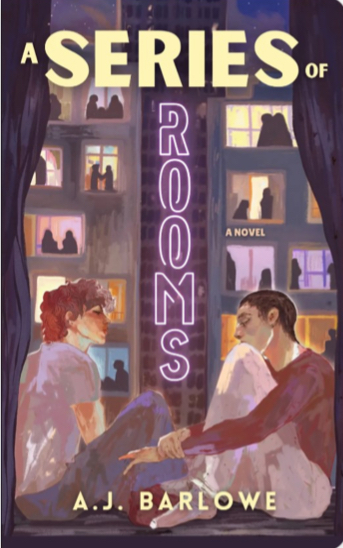
A few of my favorites are The Green Creek Series by TJ Klune, The All for the Game Series by Nora Sakavic, and A Series of Rooms by AJ Balowe. All of these books have a romance subplot in them, and all of them are LGBTQ, but none of them treat the romance as some big thing that massively takes away from the main plots of the stories. It’s just a nice addition to the characters that rounds them out.
An author I greatly admire, TJ Klune, has talked in many interviews about growing up the ‘weird’ kid that never saw someone like him represented in any media, and how with his writing he wants to change that. As a writer and a part of the LGBTQ community myself, I also want to write the representation I didn’t see growing up. Any one can write what they know however, the real question comes from if people should write what they don’t know. I have seen varying opinions on this debate most of my life, and personally gone back and forth many times. I fall more on the side of some representation is better than none at this point in my life.
In This Post
· Writing When You Are Not a Part of the Community
· Tropes: The Good and the Bad
· How to Write LGBTQ Characters as People, Not Caricatures
Writing When You Are Not A Part of the Community
Many arguments I see against adding LGBTQ characters is that there are not as many writers who openly identify as part of the community. While I used to agree whole heartedly with that, I think there is more nuance to it. I would agree that if you are not a part of a community, you should not have the struggles of that community be the main point of your story. There are other ways for you to portray that than taking space from writers in that community. However, I would say that adding side characters brings an awareness and a feeling of being seen that your story would not otherwise have.
We as consumers do not always know the sexual orientation of the writers whose work we are enjoying. They may not have come out in any type of way, or be using a pen name so we cannot know. Authors should not have to prove their sexualities to us readers to judge their works, we can allow them the general courtesy of coming out if/ when they want. Our jobs are to judge the quality of the content they write, not if they should be writing it.
When you think of your daily life, no matter if you are part of the LGBTQ community or not, how many people in the LGBTQ community do you know? Do you know for sure people are or are not a part of that community? Would it make sense then to not have any LGBTQ characters any where in your story, a barista, classmate, childhood friend, coworker, even a love interest. Though your main character may not be a part of the community, some of your side characters likely could, and probably should, be.
Wether you are adding a side character or making your main character part of the LGBTQ community, here is a list of questions to ask yourself when thinking of adding one:
– Why am I adding this character?
– Is this character just there as a stereotype?
– Am I reading from authors of the group I want to write about to inform my character?
Tropes: The Good and the Bad
Now don’t get me wrong, I love a good trope as much as the next person. Enemies to lovers? I’m there. Only one bed? Sign me up. Even a well-done miscommunication trope can be an interesting read. But there are some tropes, especially for the LGBTQ community, that are over done, and do not need to be perpetrated any more.
– Bisexual love triangle. Love triangles are popular, love em or hate em you’re going to get them. The problem becomes when it’s a bisexual character that has to choose between two separate genders. Instead of being about one person choosing between two others that they love, it becomes about the main one deciding if they are gay or straight, completely erasing their bisexuality.
– All the good men are taken, or gay. The female main character has that one gay guy best friend that would just be soooooo perfect for her if he wasn’t gay. Usually comes along with her asking him at some point if he’s sure he’s gay.
– Butch lesbians/ Twink gays. Gay guys are portrayed as incredibly feminine, and lesbian women are portrayed as incredibly masculine. All of their hobbies and physical appearance choice are forced gender norms of the opposite sex.
– Coming out stories. When the main point of a story is a LGBTQ person coming out. I want to point out that these are very important stories. But! Your characters entire personality should not be that they don’t know if or when they should come out. They have other things going on in their lives too.
– Gay best friend. The whole point of this character is to cheer on the main character, usually a female main character and a male gay best friend.
– Bury your gays. Popular particularly in the 2010s where beloved or popular gay characters would be killed off in tv shows, especially if they were involved with the main character. This was normally done for a shock value, their counterparts didn’t normally go through a great growth or have a change in story line because of it.
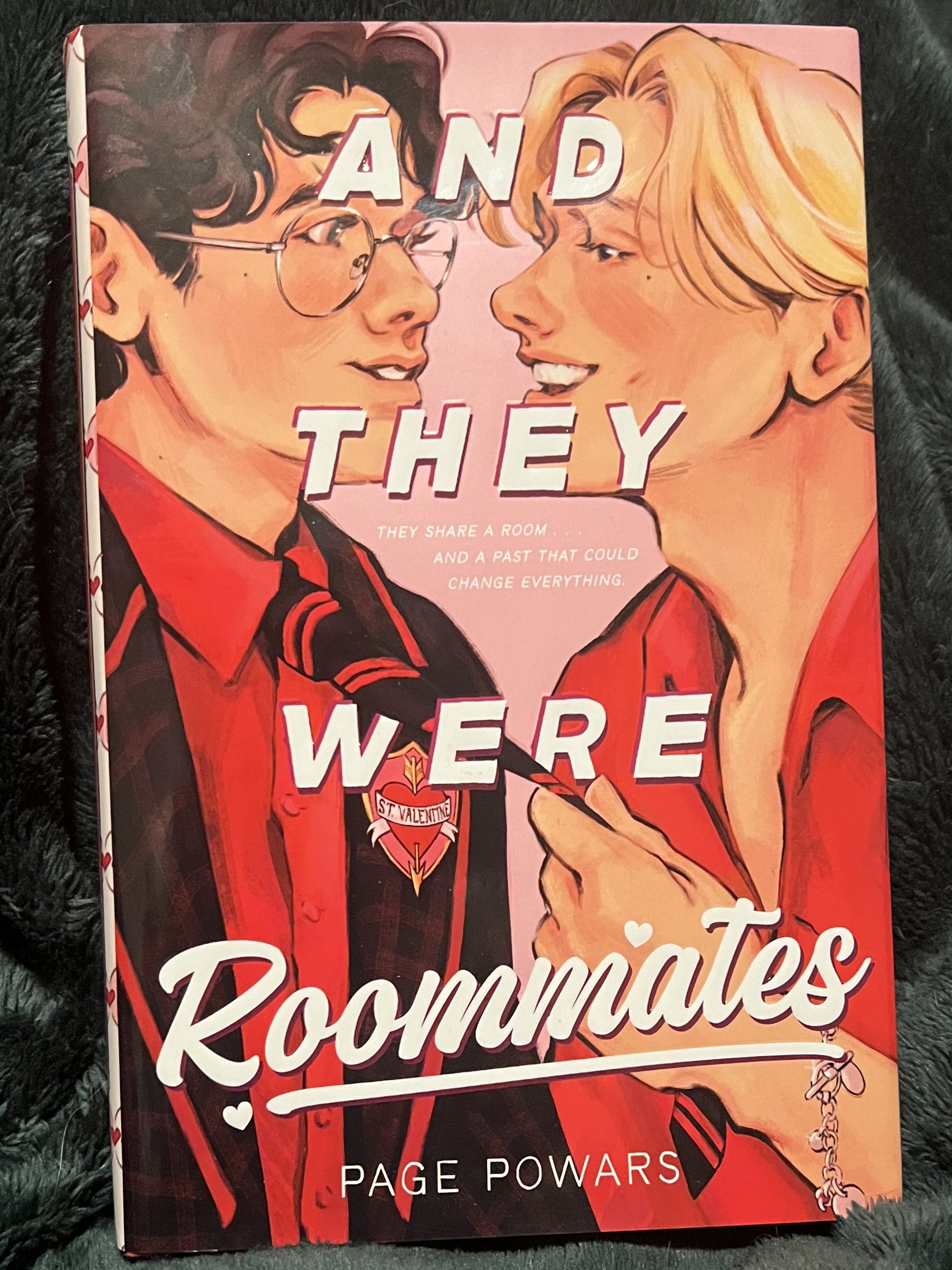
These tropes have been around for a long time and will likely continue. However, it is important to ask ourselves if we really need them in our writing. There are many beautiful stories about coming to terms with yourself and coming out, like And They Were Roommate’s, where the fear of being outed is a thread through the story, but not the main point. On the other hand, there are shows like The 100, Pretty Little Liars, and Supernatural that decided the bury your gays trope was something they needed to add. There’s a balance that writers need to achieve.
How to Write LGBTQ Characters as People, Not Caricatures
- Don’t bury your gays. As mentioned previously one of the biggest used tropes in storylines with LGBT characters is that one of them must be killed off. If it is important to the storyline, go ahead, use that death to motivate the main character. However, do not kill them just because LGBT’s don’t get to have happy endings.
- Not all people use the same labels. Some words have been reclaimed by people in the community, but not all. Keep in mind what words have been used as slurs in the past and be cautious using them.
- There’s a difference between stereotype and personality. Look at your character, is your lesbian female into sports and hunting because they’re ‘male’ hobbies and its part of the ‘butch’ stereotype, or is it because she grew up hunting with her dad and playing three sports in school? Basically, does your character have depth of personality or have you just written them to the stereotype of their genre?
- Surroundings will impact your characters. Take the character from above, had she grown up in say Chicago instead of a small town would she still be into all of the things she is? The sports probably, but likely there would be less hunting that would go on in the city. Everyone’s surroundings shape them, so don’t forget to explore your characters surroundings and how that would make them who they are when your tale begins.
- Coming out is deeply personal. There are many stories that center around different variations of coming out, and they are important stories to explore. One of the cardinal rules in the community is to never out someone else. It should always be their choice when, or even if, they come out.
- Transgender and Drag are not synonymous. While some drag queens/kings can be transgender, just because someone does drag does not mean they are transgender. The opposite is also true, not everyone who is trans is into drag.
- LGBT are frequently pack animals. There is a very small chance that you would have only one singular LGBT person at all in your story. People tend to gravitate to those who have the same interests as them, wanting to have a community that they belong to. Your character would almost always have a few other people who identify with the LGBT community surrounding them.
- Can your character pass the Vito Russo Test? Similar to the Bechdel test for female characters, in 2022 a test for LGBT characters in film was created. This can also be useful to think about when adding LGBT characters to your stories.
- Is your character identifiably LGBTQ?
- The character is not solely defined by their sexual orientation or gender identity.
- The character is tied to the plot; their removal would affect the story. They matter.
- The character’s story is not outwardly offensive. You’ve avoided harmful stereotypes without giving them a chance to grow as a person.
Remember your characters are people. This is the biggest piece of advice. Your characters are people in your stories, they have thoughts, feelings, dreams, and fears. They make mistakes, especially when they think they are right. They are not just one dimensional.
Even if you are not a part of the LGBTQ community, you should not let it stop you from adding characters to your stories. Allowing readers the ability to see themselves in your characters always matters. Using the tips here to help you make sure your characters are full fledged people will help.
Being LGBTQ should not be the sole reason you have added that character. All of your characters are real people in your stores, and should be treated as such, even with all the pitfalls that entails. They make mistakes, and bad choices. But they are also capable of empathy and love.
No matter your opinion on the debate, remember: your characters will not, and should not, be perfect, but they should be real. I encourage all of you to think about your characters in your stories, really delve into who they are. And never stop diversifying your reading.
 Chaos Reader